


Missing the Boat: The Cost of Late Procurement
September 2026
 Back
Back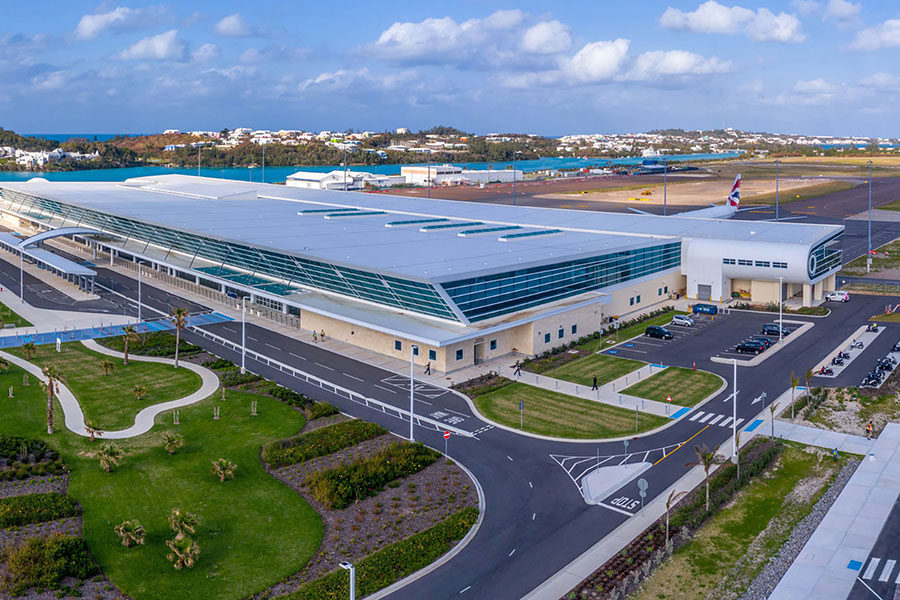
Every successful construction project needs a strategy: a clear brief, well-considered design, a realistic programme and the right team.
All true.
But there is an old military saying that makes a rather different point:
“Amateurs talk strategy. Professionals talk logistics.”
On a major construction project in the Caribbean, that distinction matters. Even with all of those elements in place, if critical equipment and materials are not on site when they are needed, progress can stop very quickly.
Caribbean projects rely heavily on imported specialist MEP plant, equipment and materials. Procurement decisions therefore need to account for manufacturing lead times as well as international freight, vessel schedules, transshipment, customs clearance, inter-island logistics and final delivery to site.
When Small Delays Compound
On an island project, being two weeks late placing an order does not necessarily mean receiving it two weeks late.
Miss a vessel, encounter a manufacturing delay or lose time during transshipment or customs clearance and a relatively small procurement delay can become a much larger programme problem. If that delay then coincides with severe weather or hurricane disruption, the impact can compound further.
This is particularly important for long-lead MEP plant and equipment, where production itself can take many months.
If a critical item is not available when required, the impact can extend far beyond that individual package. Following trades may be unable to proceed, labour and resources may need to be rescheduled, preliminaries can increase and testing and commissioning sequences can move. Ultimately, a procurement issue can begin to affect the overall completion programme.
There is also the commercial risk.
Supplier quotations and freight rates may only remain valid for limited periods. With geopolitical disruption creating significant volatility in energy and shipping costs, predicting the final landed cost at bid stage can become something of a crystal ball exercise. Rising fuel prices, freight surcharges and reduced shipping availability can all materially change the cost between tender and delivery.
Procurement as Risk Management
The answer is not simply to buy everything earlier.
The principle behind just-in-time delivery still applies: materials should arrive when they are needed, rather than simply as early as possible. But in Caribbean construction, the ‘last responsible moment’ may need to be identified much sooner. Longer lead times and fewer recovery options mean sufficient time has to be built in to respond when something changes.
But there is a trade-off. Early purchasing can create its own commercial considerations, including cash flow, storage requirements, warranties and the risk of committing before design information has been sufficiently developed.
The more effective approach is to identify procurement risk early and manage it strategically.
Long-lead, high-value and programme-critical packages should be identified during pre-construction and incorporated into the master programme.
Procurement schedules need to work backwards from the date an item is required on site. They should allow sufficient time for design approvals and manufacturing, as well as factory testing, international freight, transshipment, customs clearance and final delivery.
This gives the project team time to act if a risk emerges, whether that means placing an order earlier, changing supplier or considering a different shipping route.
Sometimes the solution can also be relatively simple.
For example, on lighting packages Update Group often releases orders based on approximately 105% of the quantities required. The additional allowance provides cover for damage or defects and reduces the risk of being caught short when replacement products may take several weeks to source and ship to an island.
If the surplus products are not required during construction, they can be retained by the client as useful spares for future maintenance.
Experience on the Ground
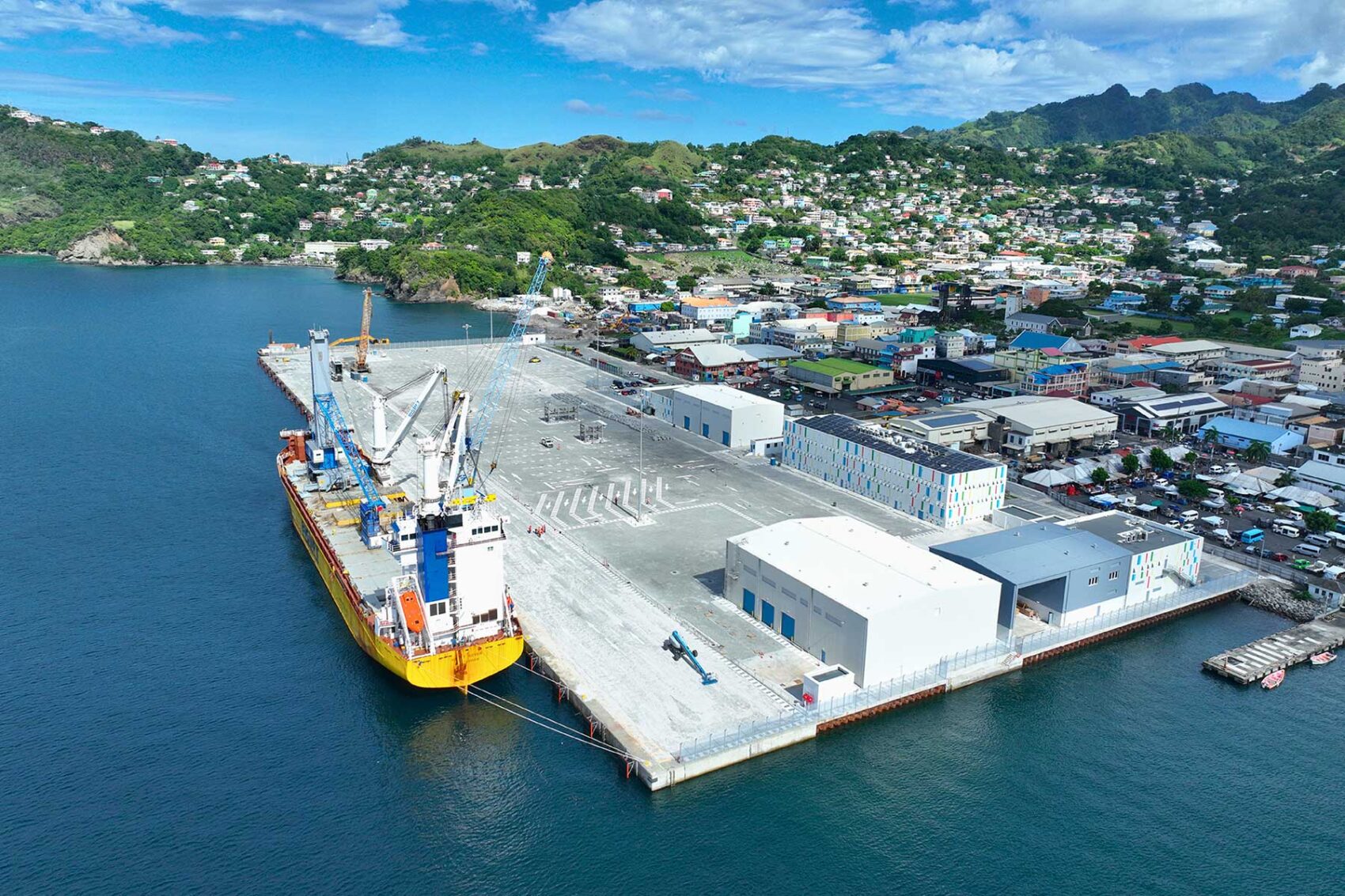
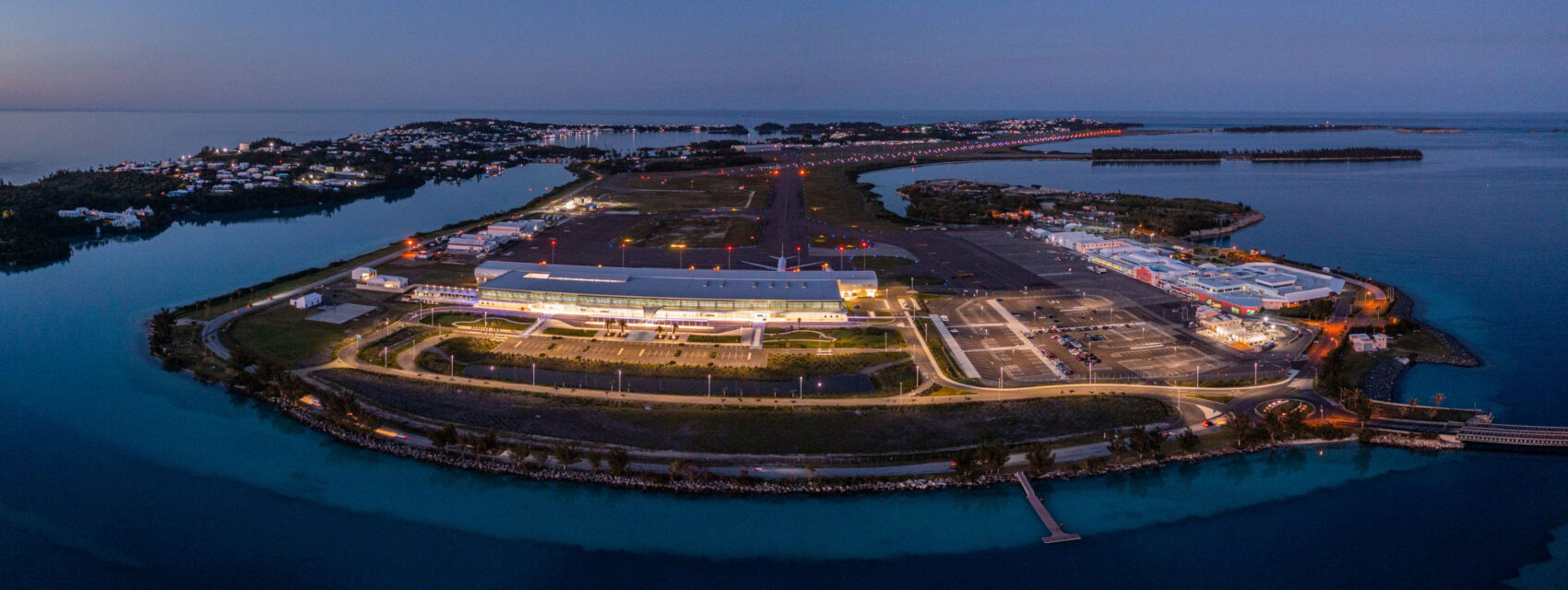
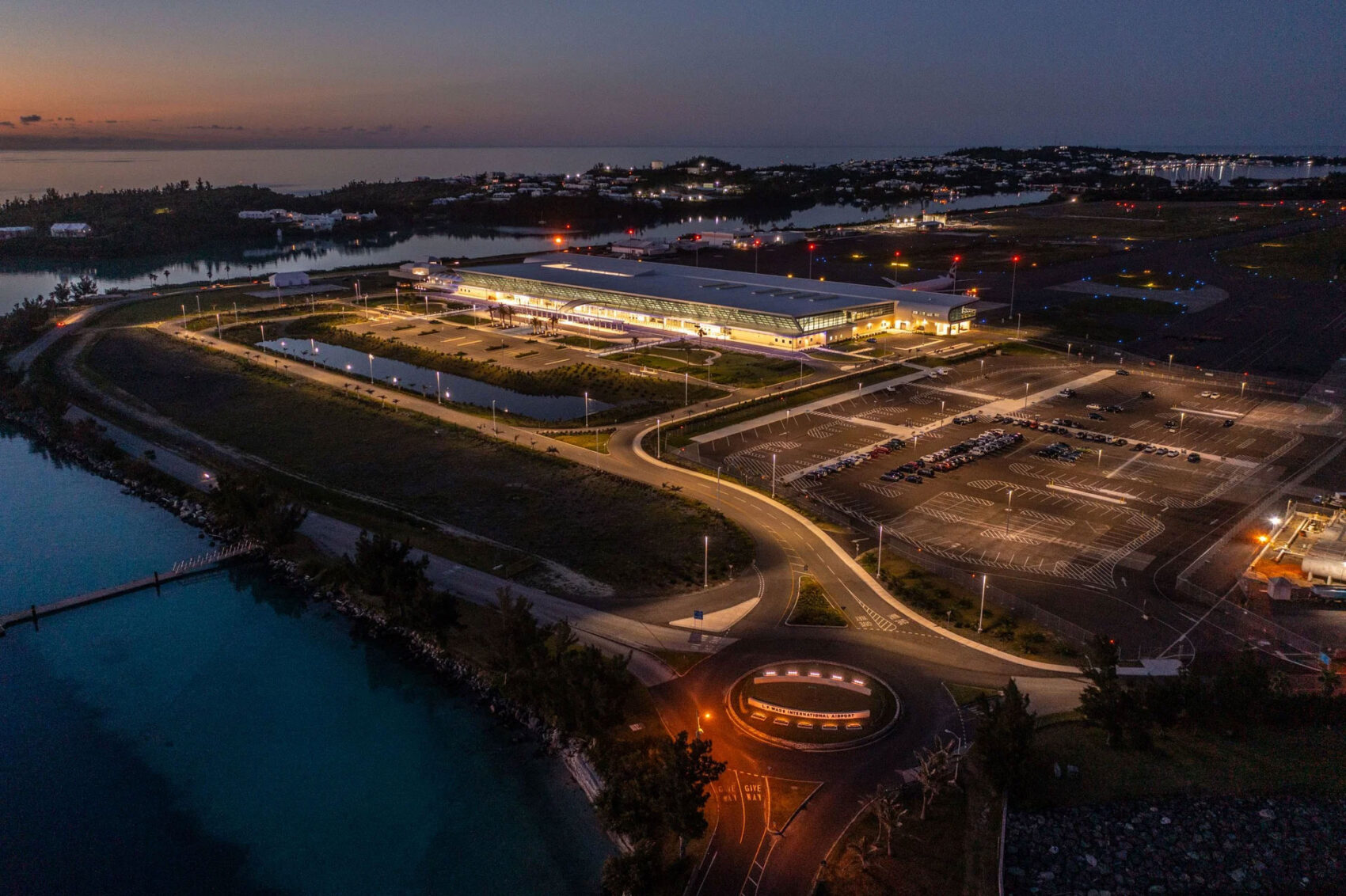
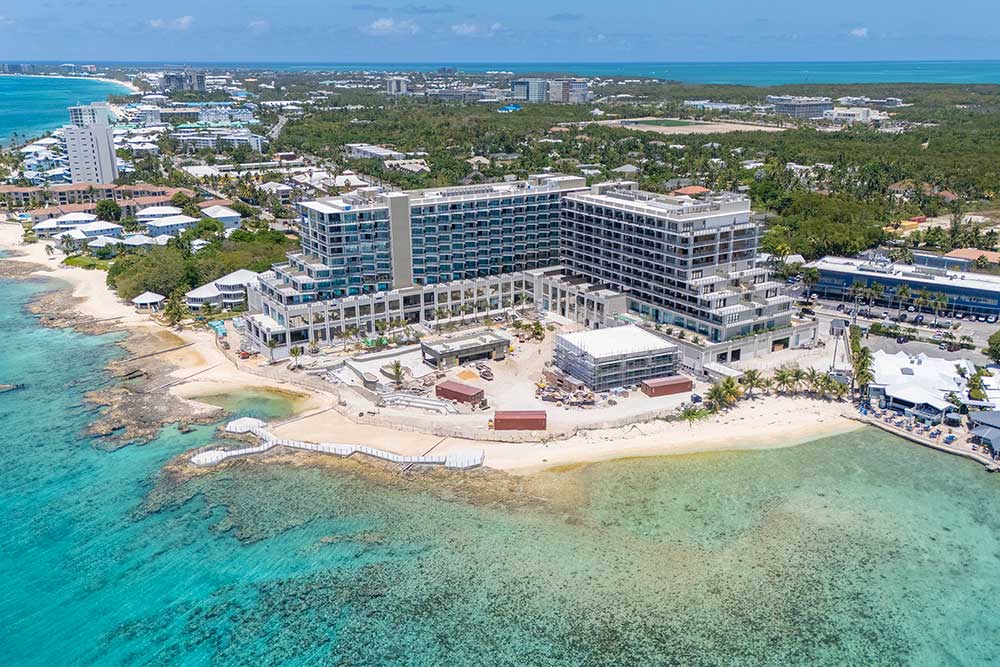
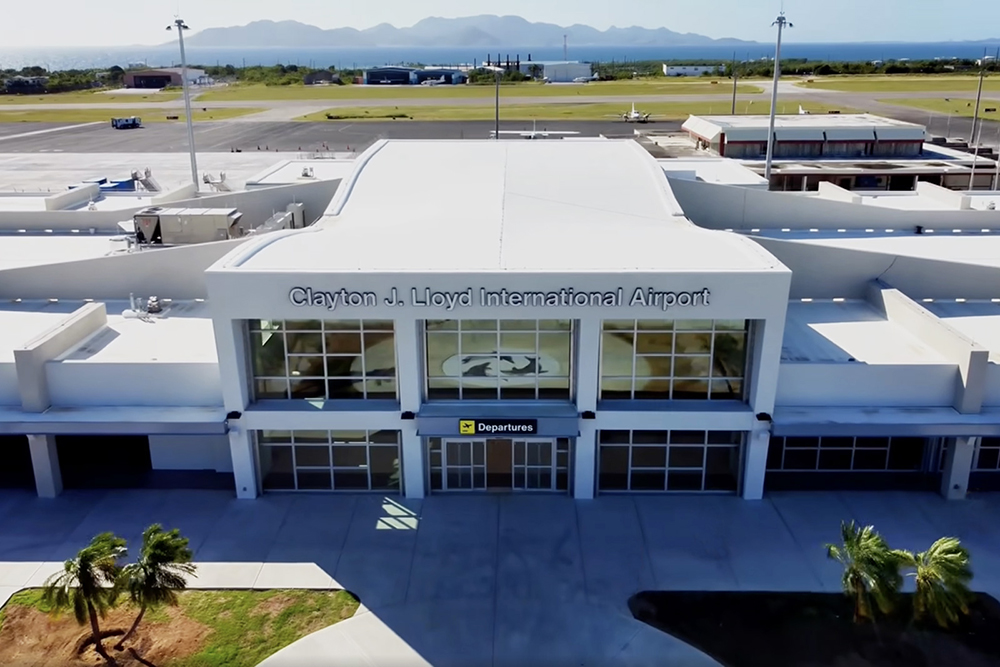
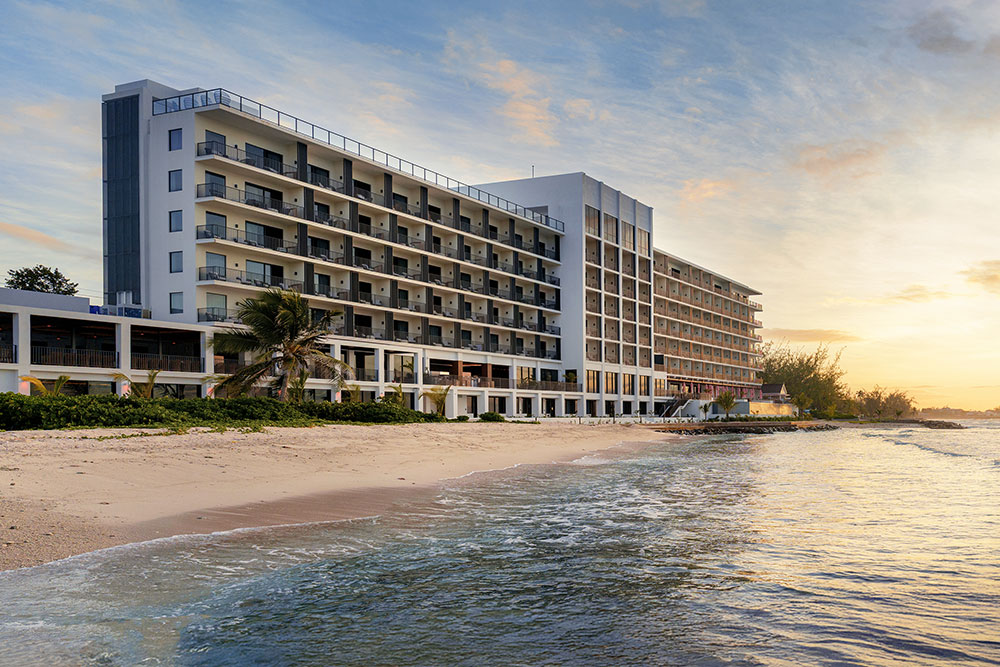
These are not theoretical considerations. Update Group has delivered and is currently delivering major hotel, airport and infrastructure projects across the Caribbean, including projects in Anguilla, The Bahamas, Barbados, Bermuda, Grand Cayman, St Thomas and St Vincent and the Grenadines.
That experience is supported by people based in the Caribbean who understand the realities of delivering projects across the region.
Working across different islands and project types has reinforced the importance of considering procurement and logistics as part of the wider project programme, rather than treating them simply as purchasing activities.
Putting Logistics Planning to the Test
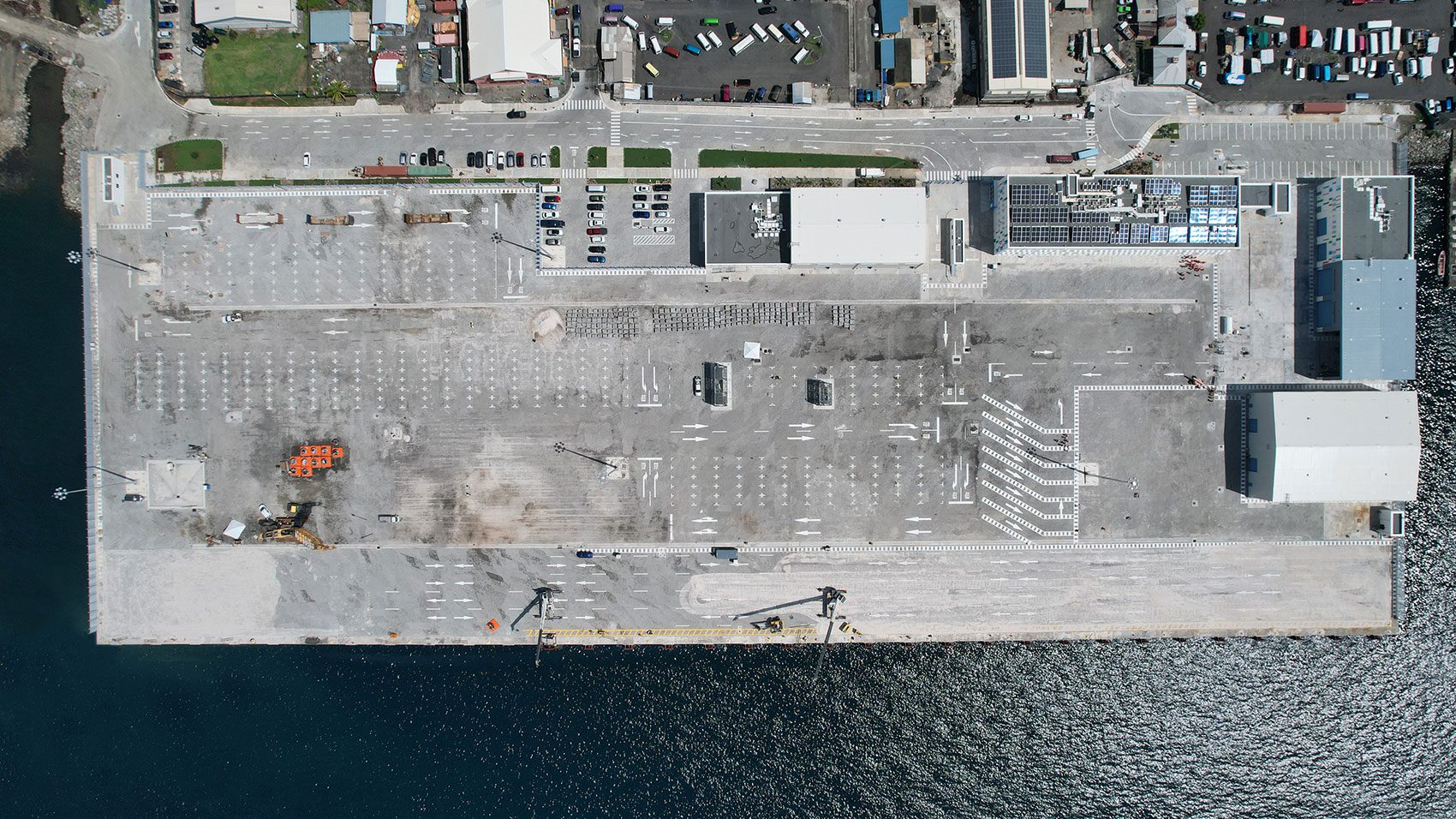
The Kingstown Commercial Port Modernisation project in Saint Vincent and the Grenadines provides a good example.
Working with Aecon Group Inc., Update Group delivered the full Mechanical, Electrical, Plumbing and Fire Protection scope across the port’s buildings and external infrastructure.
All major systems were sourced off-island and delivered through extended supply chains, making procurement planning, sequencing and coordination critical throughout the project. Midway through delivery, Hurricane Beryl, a Category 5 storm, brought an additional logistical challenge. Works resumed almost immediately afterwards, demonstrating the importance of building resilience and flexibility into the programme.
Hope Is Not a Procurement Strategy
On Caribbean projects, logistics cannot begin when a purchase order is placed. It needs to form part of project planning from the outset.
The objective sounds straightforward: secure the right products at the right cost and make sure they are on site when the project needs them. Achieving that consistently is more complicated. It requires early decisions, visibility across the supply chain and an understanding of where delays are most likely to occur and what their wider impact could be.
Most importantly, it requires enough time to respond while alternative options are still available.
Strategy remains essential. It establishes the direction, programme and commercial framework for the project. But turning that strategy into a completed building requires something more practical.
Perhaps the old military saying has a point.
Professionals talk logistics
If you are planning a project in the Caribbean, talk to Update Group about bringing procurement and logistics into the conversation early.
Read More
See how early engagement and a structured delivery approach help reduce risk, improve cost certainty and keep projects on programme.

Related
Selected Caribbean projects where procurement planning, logistics and coordinated delivery have been critical to maintaining programme certainty and successful project outcomes.

Grand Cayman
Anguilla
Barbados